.webp)
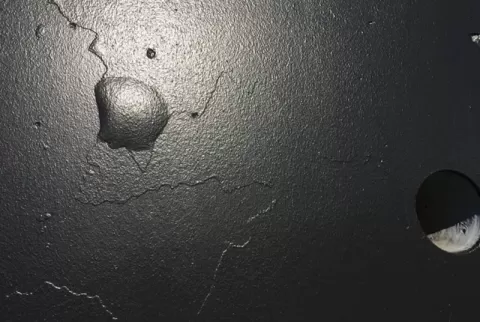
When it comes to powder coating, film thickness is not just a number; it’s the foundation of performance. Whether you’re coating industrial machinery, automotive components, or architectural aluminum, the success of your finish depends on applying the right amount of powder. You also need to cure it correctly and achieve a consistent film across the surface.
At Sharp Coating, with more than 25 years of industry experience, we’ve seen one recurring issue behind most coating defects improper film thickness. Even the most advanced formulations can fail prematurely when applied too thin or too thick.
This article explains why controlling film thickness is critical, what can go wrong when it’s not, and how to ensure your coatings deliver consistent beauty and protection.
The importance of film thickness
Film thickness refers to the thickness of the cured coating layer on the substrate, measured in microns.
For powder coatings, typical ranges are:
- 60–80 µm: Standard for most indoor applications (furniture, appliances)
- 80–120 µm: Recommended for outdoor and architectural finishes
- >150 µm: Used for heavy-duty or corrosion-protective systems (e.g., primers, industrial equipment)
Film Formation: A Scientific Overview
When powder is sprayed electrostatically, it forms a uniform layer on the grounded metal part. During curing, heat melts the particles, allowing them to flow together into a continuous, solid film.
However, this process assumes the correct powder volume and distribution.
If too much powder is applied, surface tension and flow dynamics change.
If too much powder is applied, the film doesn’t form a continuous, protective layer.
In other words, the coating’s chemistry can only perform as well as its thickness control allows it to.
What Happens When the Film Thickness is Too Low?
A thin coating might look fine initially, but it fails under stress.
Common Effects of Under-Application:
- Reduced corrosion resistance
The protective barrier becomes incomplete, allowing moisture and oxygen to penetrate and rust the substrate.
- Poor mechanical strength
Thin coatings can chip, scratch, or peel off easily, especially in high-wear areas such as edges and corners.
- Uneven colour or gloss
Insufficient film thickness leads to colour variation, low gloss, or a patchy appearance, as seen on metallic and textured finishes.
- Inadequate chemical resistance
The coating’s cross-linked structure depends on minimum film build. A thinner layer means incomplete polymerization, reducing chemical durability.
- Premature fade and UV damage
Outdoor parts with thin coatings lose colour faster due to inadequate pigment concentration and UV stabilizer distribution.
Sharp Coating Architectural Grade Polyester Powders perform best when cured within the correct film range (80–100 µm), ensuring superior colour retention and weather resistance.
What Happens When the Film Thickness is Too High?
While it’s tempting to think “more coating equals more protection,” excessive film thickness can be just as harmful, if not worse.
Common Effects of Over-Application:
- Orange Peel Texture: Excessive thickness disrupts the coating’s ability to level, creating a rough, uneven surface resembling orange peel. This defect is often linked to poor gun control or excessive powder flow.
- Cracking or Brittleness: Thick coatings cool unevenly, leading to internal stress. Over time, this causes microcracks or flaking.
- Incomplete Curing: The surface may appear cured, but the deeper layers remain soft due to insufficient heat penetration, leading to adhesion loss later.
- Edge Build-Up: Corners and edges collect excess powder, increasing the risk of chipping and visible ridges.
- Wasted Material and Energy: Over-application reduces finish quality and increases production costs by increasing powder use, extending curing times, and increasing rejects.
- Adhesion Failure: Overly thick films can lose their bond strength, especially when combined with poor pretreatment or uneven baking temperatures.
How to Achieve the Right Film Thickness?
Precision is the difference between an excellent coating and a great one.
Here’s how to ensure your powder coating line maintains flawless film control:
- Calibrate Your Equipment Regularly
- Maintain Proper Gun Settings
- Monitor Fluidization and Powder Feed
- Optimize Curing Conditions
- Control Environmental Factors
- Use Premium-Grade Powders with Stable Flow Properties
The Sharp Coating Advantage: Built on Precision
Sharp Coating combines advanced resin technology, strict process control, and six dedicated R&D lines to ensure reliable film thickness, smooth finish, and long-term durability.
With an annual capacity of 18,000 MT, over 2,500 shades, and ISO + Qualicoat certifications, we stand behind every coating we produce, from architectural aluminum to industrial machinery.
Our in-house quality assurance includes:
- Gloss & DFT testing
- Humidity and impact resistance checks
- Accelerated weathering and salt spray tests
- Cross-hatch adhesion evaluations
This rigorous approach ensures that our customers receive coatings that look good on Day 1 but last beautifully for years to come.
Both Thin and Thick Can Fail
Powder coating is sabotaged by improper film thickness. If the protection is too thin, it will not work. When it is too thick, aesthetics and adhesion suffer.
Powder coatings of premium quality are the answer to a precise, consistent, and well-controlled application process.
Sharp Coating helps manufacturers achieve that balance by combining advanced formulation, technical expertise, and uncompromising quality control. This delivers flawless coatings, coat after coat.
Because perfection in powder coating isn’t an accident. It’s engineered.